
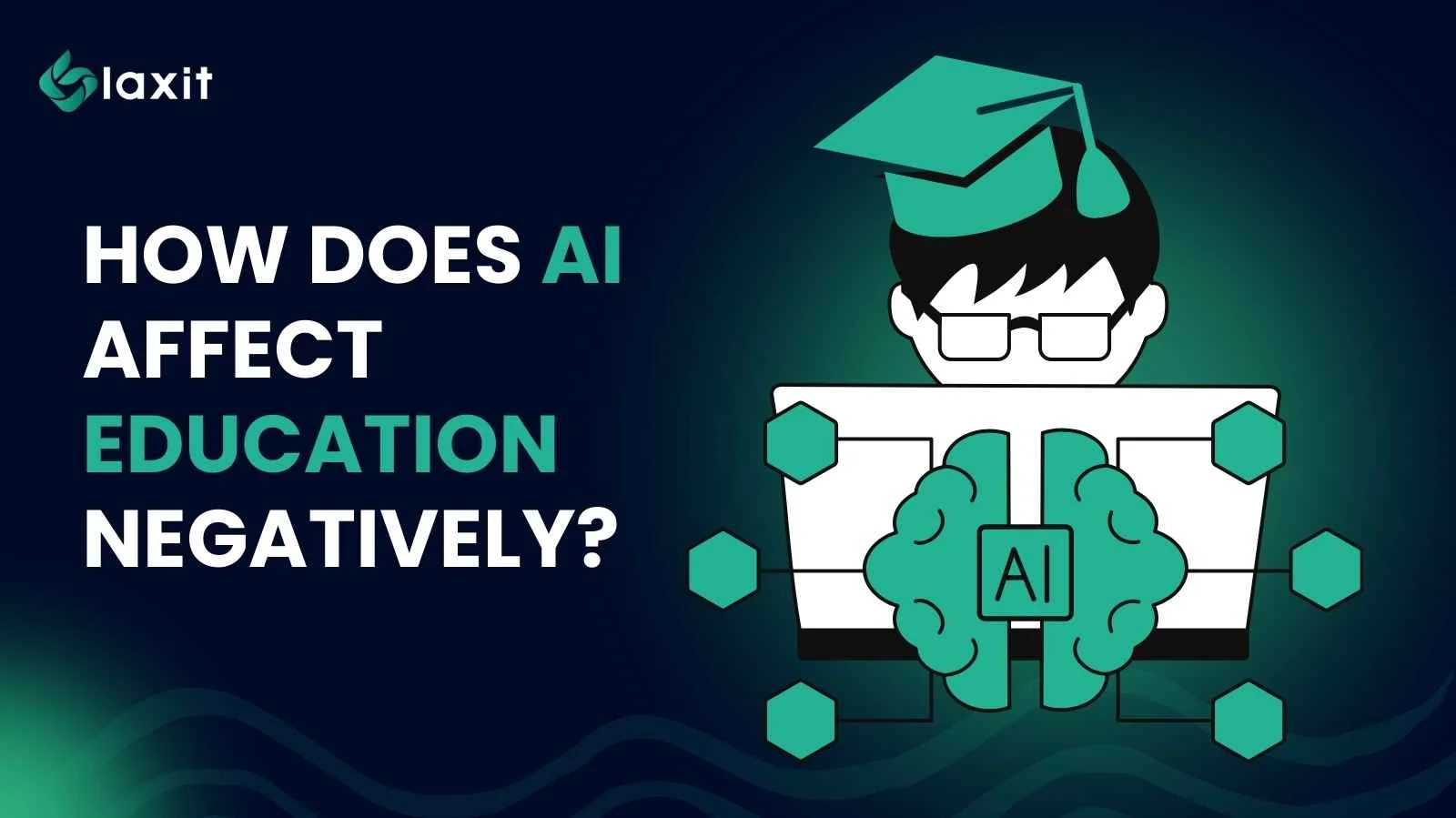
While Artificial Intelligence (AI) is changing classrooms rapidly, it also brings concerns we shouldn’t ignore. As we embrace smarter tools, we must ask students are learning more, or are we just automating the process? AI in Education offers many benefits, but if we ed blindly, it could affect creativity, interaction, and even job security. Let’s explore its lesser-known drawbacks in a simple yet insightful way.
AI Weakens Creativity and Thinking Skills
Many AI tools deliver instant results, but this convenience might discourage students from thinking deeply. If learners always turn to AI for help, they may stop developing problem-solving abilities. In real life, critical thinking is necessary, but relying too much on machines can delay that growth. We must ensure students stay curious, asking questions instead of blindly accepting answers.
Emotional Learning and Social Skills Take a Hit
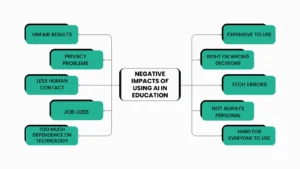
AI systems cannot understand how a student feels during a tough day. Unlike real teachers, machines cannot give a comforting smile or kind words when someone is down. Face-to-face interactions are essential in helping students build confidence and empathy. If children don’t learn emotional intelligence now, they might struggle in future workplaces and relationships.
Overdependence Can Create Passive Learners
When students use AI constantly, they may become too comfortable with shortcuts. This habit can lead to laziness, low motivation, and a lack of independence in learning. If AI stopped working one day, would students know how to continue? Probably not. That’s why we should treat AI as a support tool, not as the main teacher.
Teachers Feel Pressure and Burnout
According to recent studies, nearly 1 in 3 teachers feel anxious about AI replacing them (Gallup, 2024). Learning to use new AI systems also adds extra tasks, making their workload heavier. When teachers feel unsupported, job satisfaction decreases and burnout increases. Educators must be guided, trained, and appreciated because no machine can replace their human touch.
Unfair Access Increases the Learning Gap
In many areas, students still lack good internet, devices, or modern infrastructure. This digital divide makes it harder for everyone to benefit equally from AI in Education. If schools continue to rely heavily on AI, students from underdeveloped regions will fall further behind. To fix this, we must ensure equal resources and digital literacy training for all learners.
Privacy, Bias, & Algorithm Confusion
AI systems collect tons of student data, from test scores to behavioral habits. But who handles this data? And what if it’s leaked or misused? These questions worry many. Additionally, most AI decisions happen inside a “black box,” even though teachers don’t always know how results are calculated. If the AI contains bias or errors, students may be judged unfairly without a chance to explain themselves.
Testing Takes Priority Over Real Learning
AI is often programmed to track numbers like grades, quiz scores, and attendance. This may push schools to focus more on test preparation and less on creativity or communication. A classroom should encourage ideas and discussions, not just scanning answers. If learning becomes too mechanical, students might stop enjoying the process altogether.
Final Words:
To sum it all up, AI in Education must be introduced with care. We need to train teachers, protect student data, and use AI as a helpful partner, not a replacement. Technology should assist real learning, not weaken it. If used wisely, AI can support both teachers and learners without replacing the human connection. After all, no machine can truly replace a teacher’s voice, patience, or encouragement.