

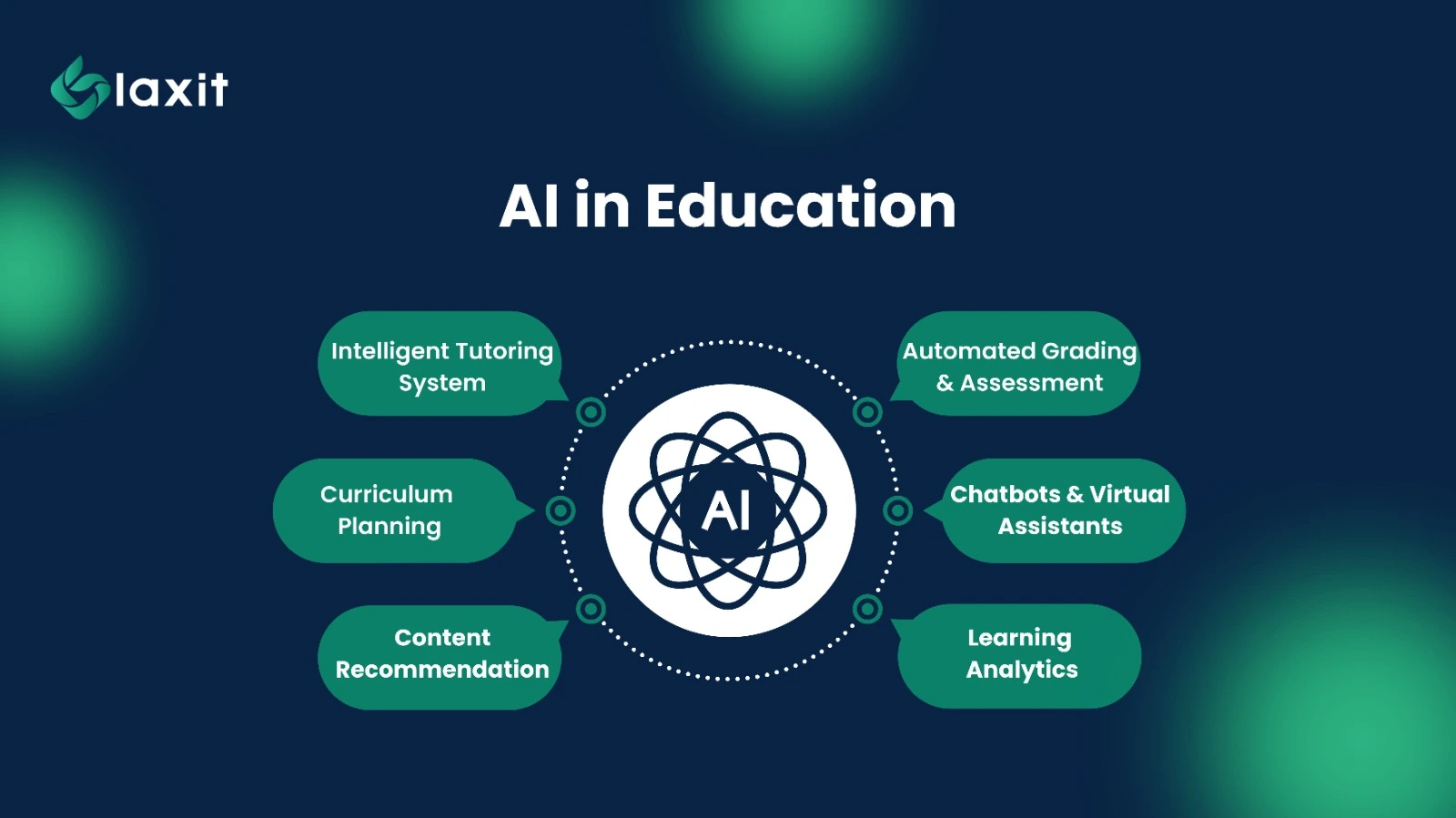
Artificial Intelligence (AI) is rapidly transforming education, making learning more accessible and personalized. Schools and universities are increasingly adopting AI-powered tools to modify student learning and streamline administrative tasks. This shift is crucial in meeting modern educational goals, such as improving learning outcomes, promoting inclusivity, and ensuring efficiency in academic institutions. However, while AI presents significant advantages, it also raises challenges that need careful consideration.
Benefits of AI in Education
Personalization of Learning
One of the most significant benefits of AI in education is its ability to personalize learning experiences. Unlike traditional classroom settings, where one teaching style may not suit all students, AI-driven platforms analyze student performance and learning patterns to provide customized learning paths.
For example, adaptive learning systems like Coursera and Duolingo adjust their content based on the learner’s progress, ensuring a more effective and engaging experience.
Instant Feedback & Automated Assessment
AI tools play a crucial role in providing instant feedback to students. This feature helps learners identify their mistakes immediately and improve their understanding of concepts. Additionally, AI-powered assessment tools automate grading, reducing the workload for teachers. Plagiarism detection tools, such as Turnitin, ensure academic integrity by analyzing written content and detecting similarities with existing sources.
Virtual Assistance & Interactive Learning
Virtual assistants, such as AI chatbots and voice-enabled tutors, are revolutionizing education. These tools offer 24/7 support, answering student queries and guiding them through lessons. Furthermore, interactive learning platforms incorporate virtual reality (VR) and social media to make learning more immersive. For instance, VR simulations allow medical students to practice surgeries in a risk-free environment, enhancing their skills before working with real patients.
Predictive Analytics in Student Performance
AI’s ability to analyze vast amounts of data helps educators predict student performance and identify areas requiring intervention. Predictive analytics can alert teachers about students at risk of falling behind, allowing for timely support. Institutions can also use AI-generated insights to refine their teaching strategies, ensuring better academic outcomes.
Automation of Administrative Tasks
AI significantly reduces the burden of administrative work in educational institutions. Tasks such as scheduling, attendance tracking, and grading can be automated, allowing educators to focus more on teaching. Additionally, AI enhances infrastructure management by optimizing energy use, transportation, and security systems within schools and universities.
Challenges & Concerns of AI in Education
Privacy & Data Security
The integration of AI in education raises concerns about data privacy. AI systems collect and analyze vast amounts of student and teacher data, making security a critical issue. Institutions must implement robust cybersecurity measures to protect sensitive information from potential breaches.
Reduced Human Interaction
While AI enhances learning experiences, it may also reduce human interaction. Excessive reliance on AI-driven tools can impact the development of social and emotional skills in students. Education should balance technology and face-to-face interactions to ensure holistic learning.
Trust & Transparency in AI Systems
AI-driven recommendations in education must be transparent and explainable. Students and educators need to understand how AI makes decisions, ensuring that its recommendations are fair and unbiased. Institutions should prioritize ethical AI practices to build trust among users.
Conclusion
The role of AI in education is expanding rapidly, offering numerous benefits in personalized learning, automated assessments, virtual assistance, and predictive analytics. However, its integration should be balanced with human-led education to ensure holistic student development.
By addressing challenges related to privacy, human interaction, and AI transparency, we can create a future where AI enhances learning experiences without compromising essential human values. The continued evolution of AI in education promises a more inclusive, efficient, and engaging academic environment for students and educators alike.