

Businesses must decide which computing platform is most suitable for their operations. With technology evolving so rapidly, selecting the right computing platform can make or break your company’s success. But how do you know which one to choose? This blog aims to help you navigate the decision by outlining some key considerations.
Understanding Computing Platforms
Before diving into the factors that affect your decision, it is important to understand what a computing platform actually is. Simply put, a computing platform is the environment in which applications run. These platforms can include physical devices such as desktops, laptops, or servers, or virtual spaces like cloud computing environments.
If you are starting a new business or are currently using older systems, you might be considering a switch to cloud-based platforms, which offer flexibility and scalability. On the other hand, a business with data security concerns may prefer on-premise solutions.
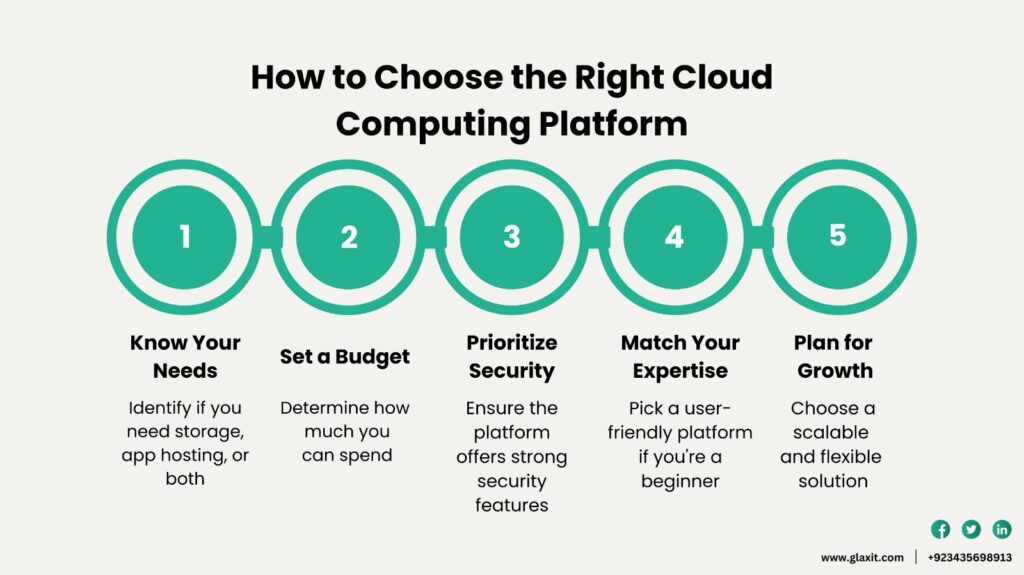
Factors to Consider Before Selecting the Right Cloud Computing Platform
There are several key factors that every business should take into account when selecting a computing platform. Let’s take a look at these considerations.
1. Cost
One of the most significant factors is cost. Some businesses may need to invest in high-performance, custom-built systems, while others can get by with more affordable solutions. If your business were to choose a cloud platform, you might save on hardware costs. However, you must consider ongoing fees for cloud storage and maintenance.
For example, a small business might prefer a basic platform because it needs to keep costs low. However, a larger company will likely choose a more advanced platform that offers better performance and scalability.
2. Scalability
As your business grows, your computing platform must be able to scale with it. A scalable platform will allow you to add resources, such as storage or processing power, without having to replace your entire system. This is one area where cloud computing shines because you can quickly upgrade your resources as needed.
In contrast, an on-premise solution might require you to purchase additional hardware to handle increased demand. If you hadn’t planned for growth, this could become costly and time-consuming.
3. Security
Security is another crucial consideration. While cloud platforms offer excellent data protection, they may not be suitable for businesses that handle sensitive data. On-premise solutions are often preferred by companies that need complete control over their data security, especially in industries like finance or healthcare.
That being said, the cloud has made significant advancements in security measures, such as encryption and multi-factor authentication. If you run a business where data breaches would affect customer trust, it’s essential to invest in secure platforms.
4. Performance
Performance can’t be overlooked. Businesses that require real-time data processing must use platforms that offer the highest speeds. For example, a stock trading company cannot afford lag in its system, so it would rely on a high-performance computing platform.
An in-house IT department might handle the performance needs for a traditional computing platform, whereas a cloud-based system could automatically scale to meet performance demands. Whatever your choice may be, it is important to ensure that your system is capable of handling your business’s specific needs.
Examples
Think about your daily use of technology. When you use your smartphone, you likely access data that is stored in the cloud. If you were to rely solely on your phone’s storage, you could run out of space quickly. Cloud platforms, however, let you store and access data from anywhere. The same principle applies to businesses; they need to access data conveniently and securely, especially if their teams are distributed or remote.
In fact, studies show that businesses save an average of 15-30% on IT costs by adopting cloud solutions. Moreover, cloud-based systems reduce the risk of data loss, as files are constantly backed up on remote servers.
Conditional Scenarios
Let’s say your business were to experience rapid growth in the coming years. If you had chosen a platform that couldn’t scale, you would have had to face high costs to upgrade your system. On the contrary, if you had opted for a cloud-based solution, you would have easily scaled up without incurring such costs.
Additionally, if your company had adopted a secure platform earlier, you would have minimized the risk of a security breach. These scenarios illustrate the importance of forward-thinking when choosing a computing platform.
Making the Right Decision
Choosing the right platform does not have to be overwhelming. First and foremost, assess your business needs, budget, and growth potential. Then, decide if cloud computing or an on-premise solution would best fit those requirements. No matter which option you choose, ensure that the platform you select aligns with your long-term goals.
Conclusion
If you’re still uncertain about which computing platform to choose, companies like Glaxit can help. With expertise in both cloud-based and on-premise solutions, we can guide you in making the best decision for your business. Whether you need help with cost assessment, security measures, or performance enhancement, our team is ready to provide the assistance you need. After all, selecting the right platform could mean the difference between thriving and just surviving in today’s competitive market.