
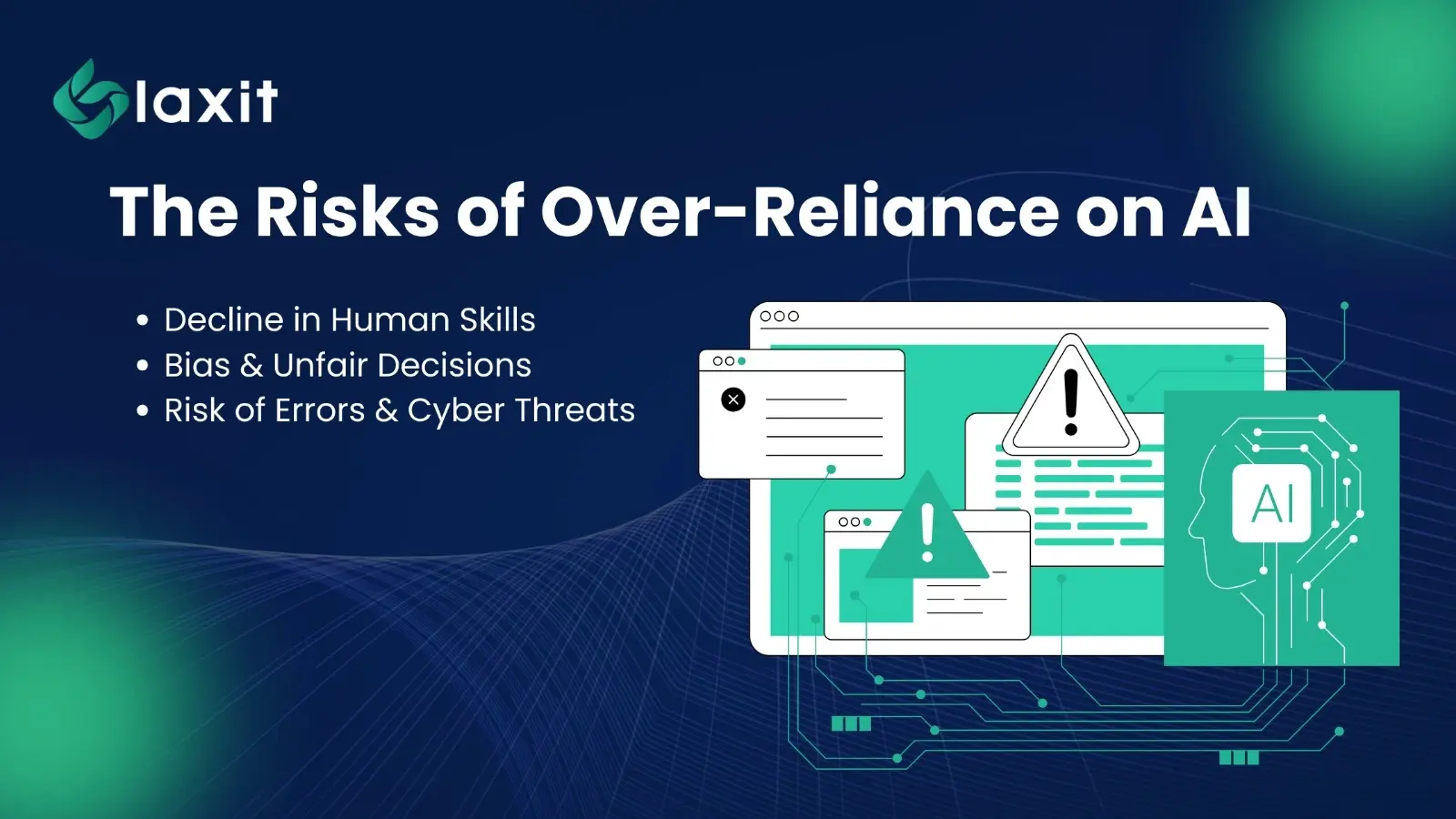
The Risks of Artificial Intelligence
Artificial Intelligence (AI) is revolutionizing various fields, but it might also pose serious risks. Experts like Geoffrey Hinton and Elon Musk have warned about AI’s unchecked growth. The increasing automation of decision-making processes can reduce human judgment and critical thinking. AI is now being integrated into critical areas such as healthcare, finance, and governance, where mistakes could have severe consequences. Without proper oversight, AI could lead to unintended consequences that negatively affect society. Therefore, policymakers, researchers, and industry leaders must work together to create regulations that ensure AI remains a beneficial tool rather than a disruptive force.
Lack of Transparency and Explainability
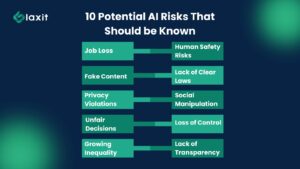
AI decision-making processes are often complex, making it difficult for users to understand how decisions are made. Many AI companies should be more transparent, but secrecy often prevails. The lack of clear explanations can make AI systems unreliable, especially in high-stakes industries such as healthcare and banking. If AI systems are not explainable, people might lose trust in them, leading to resistance to AI adoption. Regulators must establish guidelines to ensure that AI applications remain accountable. With proper transparency, AI could become a more trustworthy and widely accepted tool across various sectors.
Job Loss and Economic Disruptions
AI-driven automation is replacing human jobs at an alarming rate, particularly in manufacturing, customer service, and logistics. Many workers must learn new skills to remain employable, but companies often fail to provide adequate training programs. The wage gap could increase because AI takes over repetitive tasks, leaving lower-skilled workers unemployed or underpaid.
- Small businesses may struggle to compete with large corporations that can afford AI-driven operations, leading to market monopolization.
- Governments should invest in reskilling programs to prevent economic instability and help workers transition to new careers in AI-related fields.
- AI can boost productivity, but without a balanced approach, it may also widen income inequality, creating social unrest.
Social Manipulation and Misinformation
AI-powered tools can spread misinformation rapidly, making it hard to distinguish truth from lies. Deepfakes and AI-generated content may deceive the public, leading to political and social instability. Social media algorithms could be used to manipulate public opinion. Educating people about AI’s role in misinformation is essential to maintain informed societies.
Biases and Discrimination in AI
- AI has been found to reinforce biases in hiring and decision-making.
- Gender, race, and socioeconomic disparities must be addressed in AI training data.
- Unfair AI systems might deny people opportunities without valid reasons.
- Developers should ensure AI fairness by improving training datasets.
Autonomous Weapons and Military Use of AI
The military is investing heavily in AI-driven weaponry. AI-controlled drones can make lethal decisions without human intervention. Ethical concerns must be discussed before AI takes full control of warfare. If AI warfare escalates, global conflicts could become more dangerous and unpredictable.
Decreasing Human Influence and Ethical Considerations
- AI might replace human creativity in decision-making.
- Over-reliance on AI can reduce emotional intelligence and critical thinking.
- Ethical concerns must be debated to prevent unjust AI decisions.
- Humans should maintain a balance between AI efficiency and personal insight.
AI Criminal Activities and Cyber Threats
Hackers have started using AI for cybercrimes and fraud. AI might enable deepfake scams that manipulate public figures. AI-driven cyberattacks can break security systems faster than ever before, so security experts must develop stronger defense mechanisms against AI threats.
The Risk of Self-Aware and Uncontrollable AI
- Artificial General Intelligence (AGI) might surpass human intelligence.
- Ethical dilemmas should be considered before AGI development.
- If AI becomes fully autonomous, controlling it will be difficult.
- Researchers must create safeguards to prevent AI from acting against humanity.
Broader Economic and Political Instability
AI could significantly reshape industries and impact global economies. Overinvestment in AI may lead to economic bubbles. Nations could struggle with regulating AI at an international level. Governments should collaborate to create unified policies for AI governance.
Strategies to Mitigate AI Risks
- Legal regulations should be implemented to ensure AI accountability.
- Ethical AI development must be prioritized to reduce negative impacts.
- AI innovation should be balanced with societal safety and protection.
- Transparency and explainability must be improved in AI systems.
AI Benefits vs. Risks
| Benefits of AI | Risks of AI |
| Increased efficiency and automation | Job loss and economic inequality |
| Improved accuracy in decision-making | Misinformation and social manipulation |
| Enhanced convenience in daily life | Privacy violations and surveillance |
| Better healthcare diagnostics | AI biases and discrimination |
| Advanced security and fraud detection | AI-driven cyber threats |
Conclusion
AI should be used responsibly to prevent potential risks. While it can improve various aspects of life, blind trust in AI might be dangerous. Governments, industries, and individuals must work together to ensure AI remains a tool for progress rather than a societal threat.