

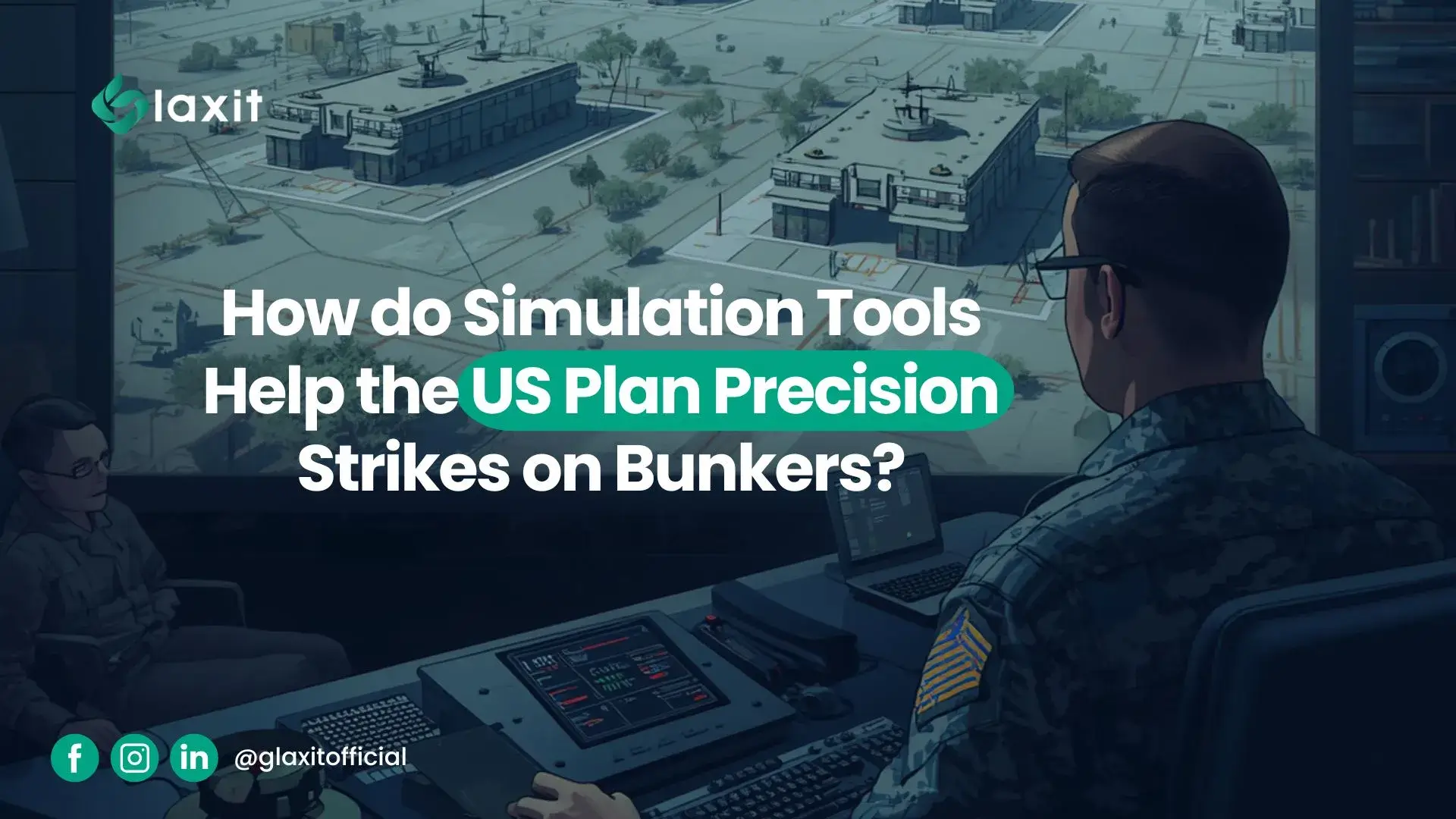
When it comes to military action, the United States doesn’t take chances, especially when the mission involves underground bunkers. US bombs are powerful, but they need smart planning to work the right way. That’s where simulation tools step in. These tools help the military plan ahead, test different attack options, and choose the best one, all without stepping onto the battlefield. Instead of relying on guesswork, military experts now use tech-driven tools to hit targets with accuracy and avoid unnecessary damage.
What Are Simulation Tools?
Simulation tools are smart software systems that mimic real-life battle situations. They let defense teams test how a bomb will behave when dropped on a bunker, what impact it will make, and how the environment will react.
These tools work with:
Real-time data from satellites and drones
3D terrain maps
AI-powered prediction models
Tools like JAWS, STK, and JSTARS
The goal is simple: Let US bombs strike right and strike smart.
Why Do Bunkers Need Special Bombs?
Bunkers aren’t regular buildings. They’re built deep underground, usually made with heavy concrete, steel, or even placed under mountains. You can’t just drop any bomb and hope it works.
That’s why the US uses bunker buster bombs, like the GBU-57. These bombs are designed to dig deep and explode at just the right time.
But even the strongest bomb won’t work well if it misses the mark. That’s where simulation tools shine. They help military experts:
Find the perfect depth to strike
Avoid civilian areas
Plan the explosion timing
Reduce the risk of damage to surrounding areas
All of this happens before a single bomb leaves the aircraft.
Real-Time Planning Changes Everything
These tools use live, real-time data. So, if a bunker changes location, or the weather shifts, or the target gets extra protection, the system adjusts instantly. Military teams don’t need to wait. They can update their plan on the go.
AI and machine learning also play a big role here. They quickly analyze tons of information—something humans simply can’t do in minutes. That means decisions are faster, smarter, and more reliable.
A Glimpse from Real Work
As someone who works closely with defense software teams, I’ve seen how detailed this planning gets. I once worked on a project where the simulation even considered time zones, temperature, and soil layers. Every little detail matters when you’re dealing with high-risk missions.
The teams don’t just run one test—they try dozens of scenarios until they get the best possible outcome. This kind of planning builds trust and ensures the mission stays safe and successful.
US Bombs + Simulation = Better Results
Using simulation tools brings some serious benefits:
Fewer mistakes: According to a 2024 DoD report, using simulations has reduced targeting errors by 37%.
Cost savings: Testing digitally costs way less than flying a real mission.
Lives saved: Simulated planning reduces risks for both soldiers and civilians.
So, while bombs may seem like the star of the show, it’s actually the smart planning behind them that makes all the difference.
Why It Matters Now More Than Ever
The world is changing fast, and so is warfare. Enemies hide in complex bunkers, cities grow closer to battle zones, and public pressure pushes for cleaner, more precise military action. Simulation tools help meet these new demands.
When the US drops a bomb today, they’re not just dropping steel; they’re dropping a carefully planned result of hours, sometimes days, of virtual testing.
Future of US Bombs and Smart Warfare
Looking ahead, it’s clear that simulation tools will keep getting better. With the rise of AI in military defense, the US will rely more on tech than ever. Every time a bomb is used, it’s backed by data, simulations, and teamwork.
These tools don’t just support airstrikes, they also shape entire strategies, from mission planning to post-strike analysis.
As military threats grow more advanced, so must our response. And simulation-based warfare is exactly the kind of smart, data-driven, and ethical approach the future demands.
Final Takeaway
Simulation tools turn US bombs into guided decisions, not random explosions. They allow military teams to plan with care, act with accuracy, and protect what matters most. Whether you’re a defense expert or just curious about how modern warfare works, one thing is clear: Smart technology saves lives, saves money, and keeps missions on point.
FAQs
How do simulation tools help the US plan bunker strikes?
They let the military test strike plans digitally before acting. This helps US bombs hit deep bunkers accurately while avoiding civilian harm.
What tools does the US use to simulate bomb strikes?
The US uses JAWS, JSTARS, and STK. These tools include AI and satellite data to improve precision strike planning.
Can simulations prevent bomb failures?
Yes. By showing how bombs react in different conditions, these tools stop many mistakes before they happen. They also suggest better strategies.
Are bunker buster bombs still in use?
Absolutely. The GBU-57 MOP is one of the most powerful bombs used today. It works best when planned with simulation tools.
How do simulations save lives?
They avoid trial-and-error on real battlefields. That way, both soldiers and civilians stay safer while still meeting the mission goals.